
The allure of chance and excitement
The thrill of gambling in casinos taps into fundamental aspects of human psychology, drawing individuals into a vibrant atmosphere filled with bright lights, enticing sounds, and the tantalizing promise of wealth. This allure is rooted in the human fascination with risk and reward, a primal instinct that has driven behavior for centuries. Players who engage in activities like nrl betting often experience a heightened sense of excitement, as the uncertainty surrounding potential wins—often described through the concept of “variable reinforcement”—creates an exhilarating rush that keeps them engaged. Each spin of a slot machine or roll of dice can lead to life-changing fortunes, triggering the release of dopamine, a neurotransmitter that plays a significant role in pleasure and motivation.
Moreover, the excitement of gambling often transcends the mere financial stakes involved; it encompasses the social aspect as well. Many individuals visit casinos with friends or in larger groups, fostering a sense of community and shared experience. This camaraderie enhances the enjoyment of the activity, making it more than just a solitary endeavor aimed at monetary gain. As players recount their stories, discuss strategies, and celebrate wins together, the casino becomes a vibrant social hub, reinforcing the desire to return and partake in this shared thrill.
The design and layout of casinos further amplify this psychological draw. With environments deliberately crafted to be devoid of clocks and windows, players often lose track of time, leading to longer stays. The sounds of coins clinking and cheers from nearby winners create an atmosphere charged with anticipation and excitement. This carefully constructed environment fosters a heightened state of alertness and enthusiasm among participants, reinforcing their inclination to gamble repeatedly, as they chase the exhilarating highs of potential victories.
The role of cognitive biases
Cognitive biases play a crucial role in shaping gambling behaviors, often leading individuals to misinterpret odds and probabilities. A prominent example is the “illusion of control,” where gamblers mistakenly believe they can influence outcomes in games that are fundamentally based on chance, such as slot machines or roulette. This misconception often leads to overconfidence and an increased frequency of gambling, as players become convinced that their choices can affect the results. Such biases cloud judgment, making losses seem less significant and encouraging continued engagement in gambling activities.
Another notable cognitive distortion is the “gambler’s fallacy,” where individuals assume that past outcomes will influence future events. For instance, a player might think that a slot machine is “due” for a win after experiencing a series of losses. This flawed reasoning can lead to extended gambling sessions, as players chase their losses with the belief that their luck is about to change. Such cognitive distortions can escalate into compulsive gambling behaviors, where individuals continue to wager more than they can afford, driven by irrational hope rather than sound decision-making.

The implications of these cognitive biases extend beyond individual gambling experiences; they can shape broader societal attitudes toward gambling. By promoting misconceptions about luck and control, these biases contribute to an environment where gambling is not only normalized but also encouraged. This social acceptance can lead to detrimental outcomes, both financially and psychologically, for individuals who may struggle to recognize the influence of these cognitive distortions on their behavior.
Emotional factors and escapism
Emotions play a pivotal role in the decision to gamble, with many individuals seeking refuge in casinos as a way to cope with stress, anxiety, or feelings of depression. Gambling is often viewed as a temporary escape from the pressures of daily life, providing an adrenaline rush that can momentarily alleviate negative emotions. This emotional release creates a cycle where individuals may find themselves repeatedly turning to gambling in search of relief, ultimately fostering a compulsive need to engage in betting activities.
Furthermore, the fleeting victories associated with gambling can enhance mood and elevate self-esteem, creating a powerful incentive to return to the casino. Winning can evoke feelings of euphoria and accomplishment, reinforcing the behavior and encouraging individuals to seek out more opportunities to win. This cyclical engagement can lead gamblers deeper into the betting world, as the highs of winning overshadow the potential risks and losses that come with the activity. The temporary nature of these wins often leads to an insatiable desire for higher stakes, perpetuating a distorted view of gambling as a purely enjoyable pastime.
Casinos also offer a distraction from personal troubles, providing an environment where individuals can immerse themselves in the thrill of the game, often overlooking the challenges they face outside. This emotional connection to gambling can make it exceptionally difficult for individuals to recognize when their behavior has shifted from casual enjoyment to a more harmful addiction. As the emotional ties deepen, the line between fun and dependency blurs, leading to significant consequences for mental health and financial stability.
The impact of social influence
Social dynamics significantly shape gambling behavior, particularly in the context of casinos. The presence of friends or family can either encourage or deter individuals from participating in gambling activities. When individuals observe their peers enjoying substantial wins, the desire to join in and experience similar successes can become overwhelming. This social validation becomes a potent motivator, often leading to larger bets than one might typically place alone. The influence of peers can amplify the urgency to gamble, pushing individuals beyond their financial limits and towards potential harm.
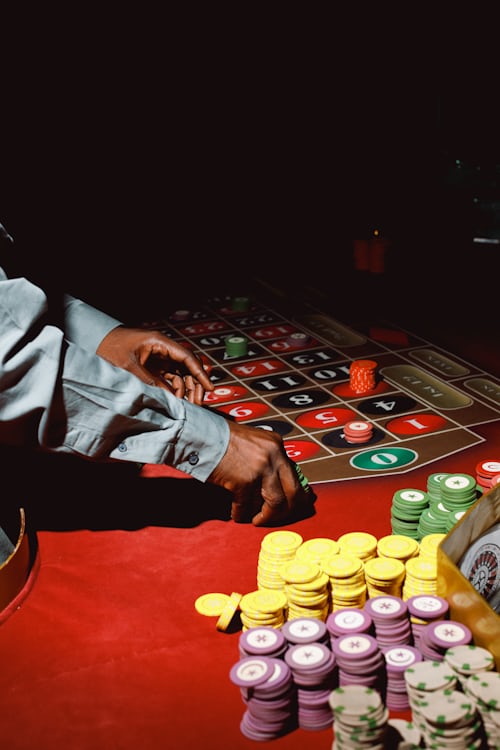
Moreover, the portrayal of gambling in media and advertising plays a crucial role in shaping societal perceptions of casinos. By glamorizing gambling as an exciting and glamorous lifestyle, media representations create unrealistic expectations that make it appealing to a wider audience. This normalization of gambling can overshadow the associated risks, leading more individuals to engage in betting without fully understanding its implications. As these portrayals proliferate, the cycle of gambling continues to expand, resulting in increased participation and, in some cases, addiction.
Cultural attitudes and community values towards gambling also contribute to these social influences. In areas where gambling is widely accepted or even celebrated, individuals may feel more inclined to participate without the stigma that exists in other regions. The presence of casinos and gaming facilities can foster a culture of gambling, where participation becomes a norm during social gatherings. This cultural acceptance can lead to a higher prevalence of gambling-related issues, underscoring the importance of contextualizing gambling behavior within its social framework.
Exploring responsible gaming and resources
Understanding the psychological factors driving gambling behavior is vital for promoting responsible gaming practices. By recognizing the emotional, cognitive, and social influences at play, individuals can be empowered to make informed decisions about their gambling activities. Resources such as educational programs, counseling services, and support groups are essential for helping individuals identify the signs of problem gambling and encouraging healthier habits. These initiatives often emphasize the importance of self-awareness, setting limits, and understanding personal motivations for gambling.
Casinos themselves are increasingly adopting measures aimed at fostering responsible gaming. Many establishments provide information about responsible gambling practices, offering tools for self-assessment and access to support networks. Initiatives such as self-exclusion programs and betting limits are designed to create safer gambling environments, ensuring individuals have the resources they need to manage their gaming habits effectively. By cultivating a supportive atmosphere, casinos can play a pivotal role in mitigating the adverse effects associated with gambling.
Furthermore, raising public awareness through campaigns that highlight the risks of gambling disorders can help destigmatize the issue. Encouraging open discussions about gambling can lead to a deeper understanding of its psychological effects, prompting individuals to seek help when necessary. By reinforcing the importance of responsible gaming and providing accessible resources, both communities and casinos can collaborate to promote a healthier approach to gambling, ultimately reducing the risks associated with this popular pastime.
